
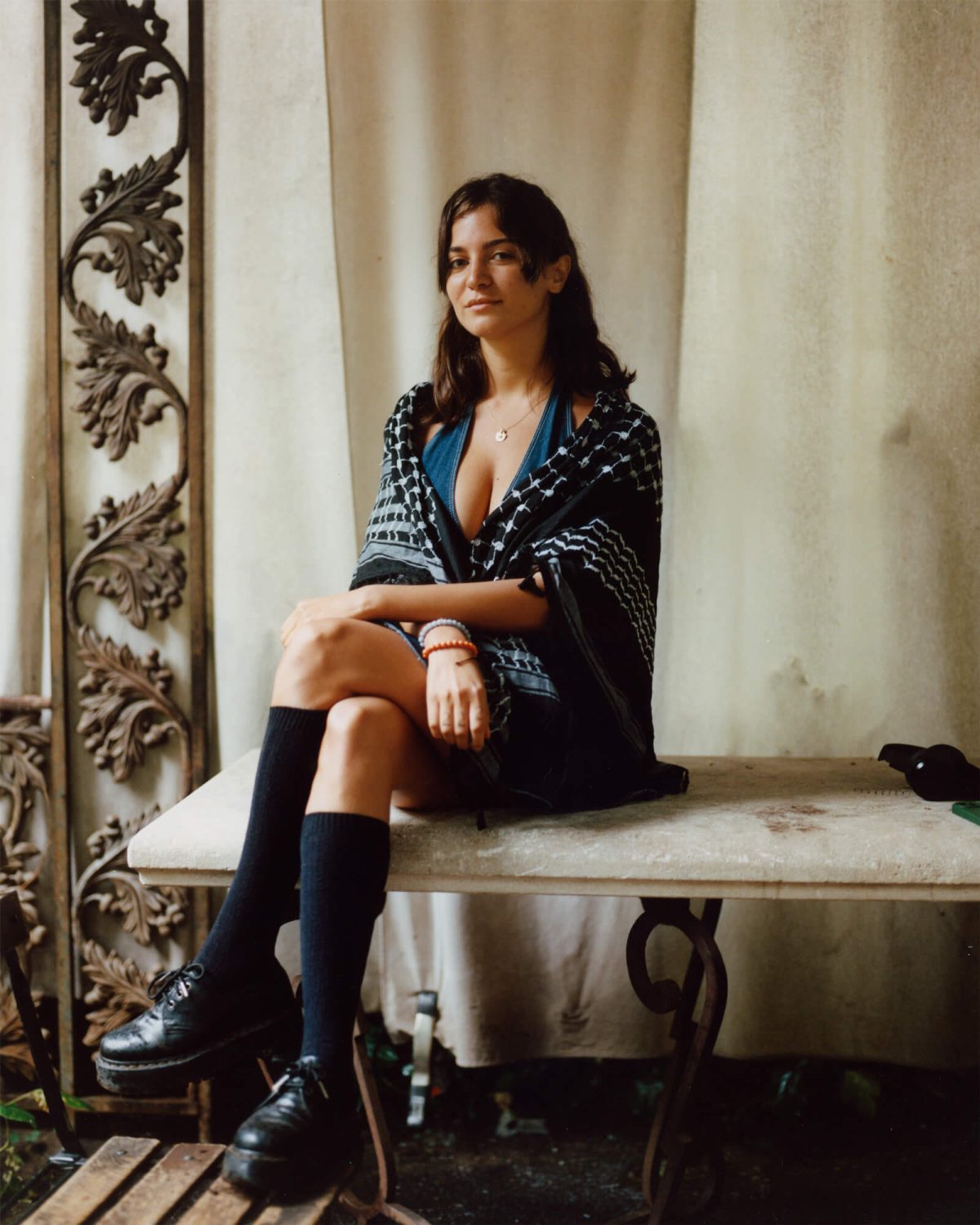
In 1995, Harvard sociologist Robert Putnam declared the death of civic life and associations in his book Bowling Alone. His book struck a cautionary note in the optimistic ’90s, an era of globalization and the golden years of American hegemony. Thirty years later, growing wealth inequality has undermined this optimism, but once-dead associations are alive and thriving for pockets of millennials and Gen-Zers in the hustle of New York City. In our project documenting the drives and desires of young activists and organizers in the city, we found new ways that movement activists tap into their existing networks. One activist, for example, organizes her queer chess club as an autonomous group, planning direct actions against institutions that align with genocide, while another organizes punk shows to fundraise for Gaza. But unlike bowling leagues, many of the associations that attract movement-oriented folks exhibit subcultural and countercultural currents like the rave, punk, bike, and tattoo scenes that thrive in this city: surrogate communities of the metropolis.
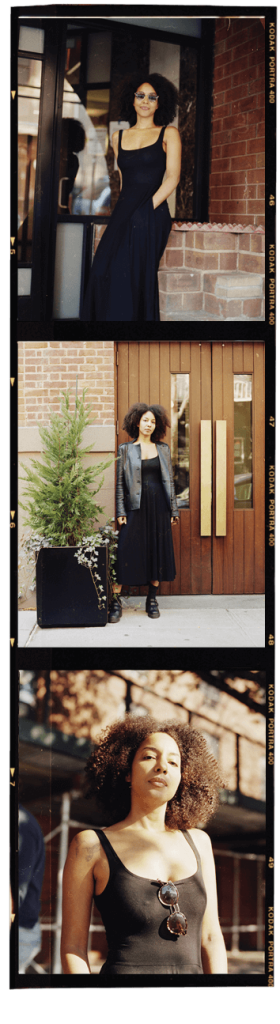
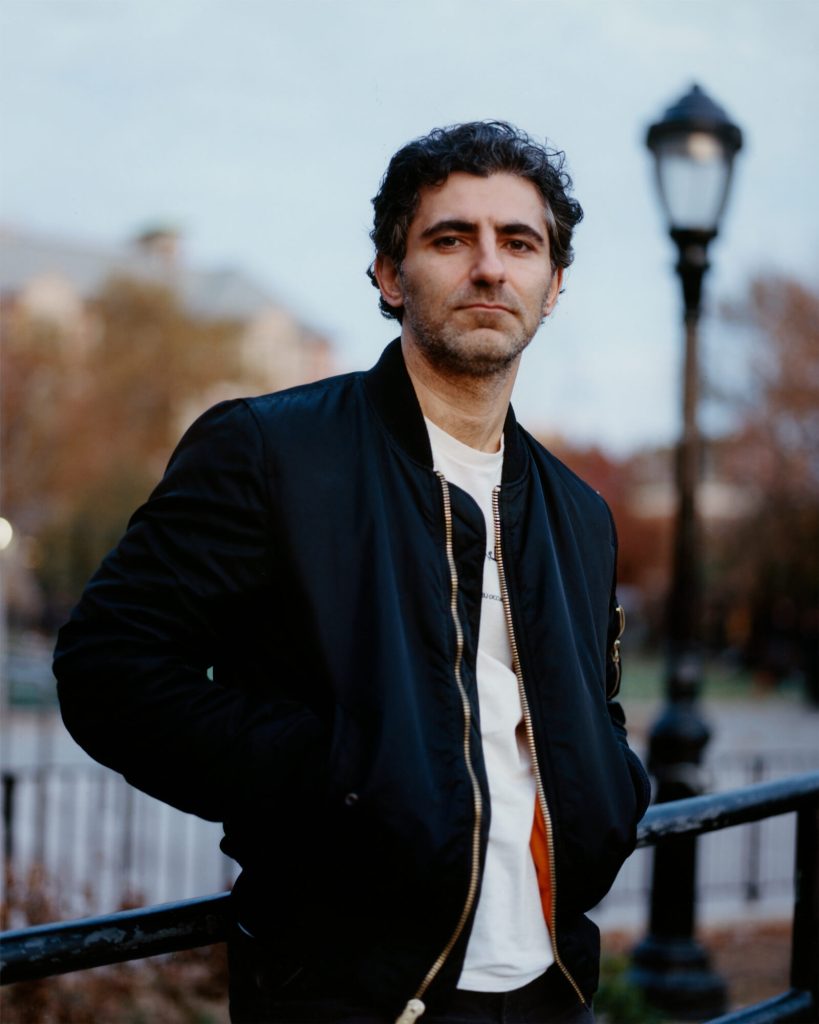
Our project is a collaboration between a sociologist (Youbin) and photographer (Guarionex), combining interviews and portrait photography to understand how a generation without dreams of state-sanctioned stability makes their intervention on the world. The interviews prompt participants to tell their stories as Gen Z and millennial activists and organizers. We also ask participants to hold those narratives within themselves in an experience of portrait photography. A tension lies in the juxtaposition of individual portraits — the lionized self — and the collective dreams of movements.
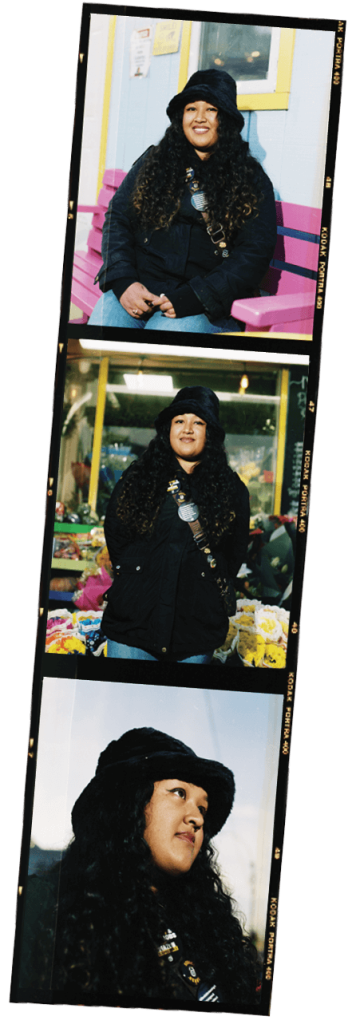
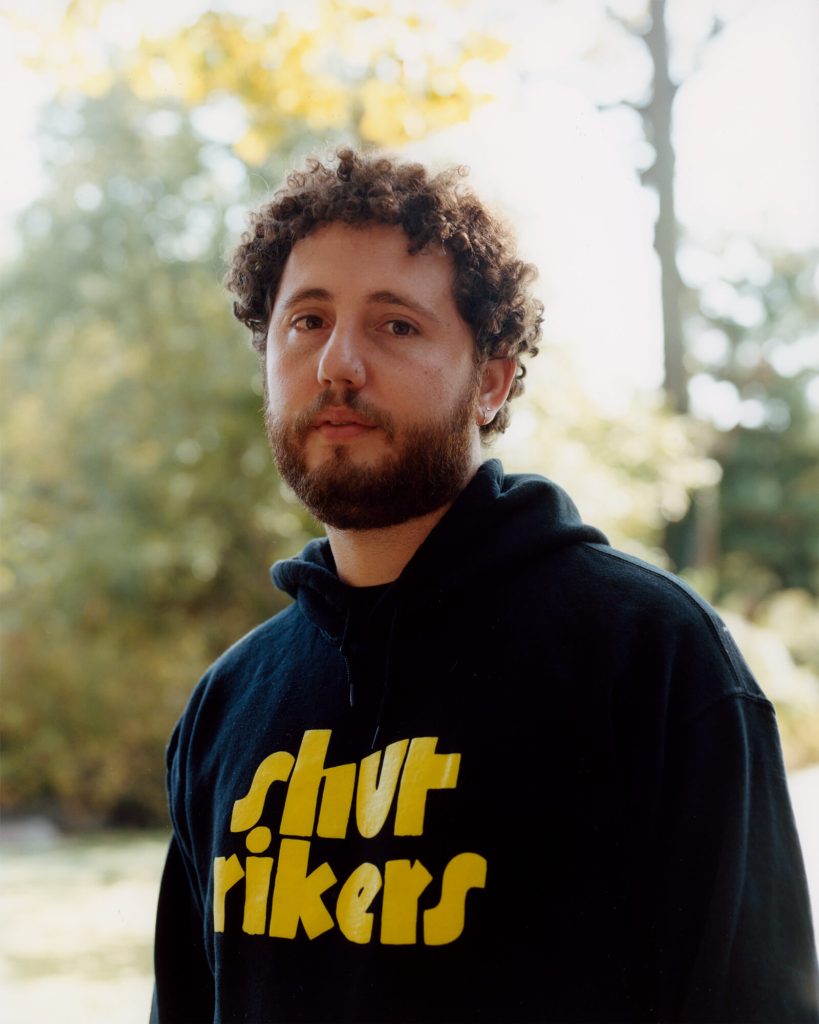
The beautiful, tragic tension between the individual and the collective and the underlying desires, aggressions, and attachments are a large current in this project. “Progress for Black people is to live my life in resistance,” declares Jasmine Araujo, who, in many ways, embodies a wayward life — a concept described by Saidiya Hartman in her intimate history of Black lives at the beginning of the twentieth century as “the errant path taken by the leaderless swarm in search of a place better than here. The social poesis that sustains the dispossessed.” Having grown up in Section 8 housing in the rapidly gentrifying East Village, Araujo is motivated by housing justice in her work organizing mutual aid groups for the houseless in two cities. Quoting James Baldwin, she professes that the tender way of living her life is “simply not possible through capitalism, which sees people as products or consumers.”
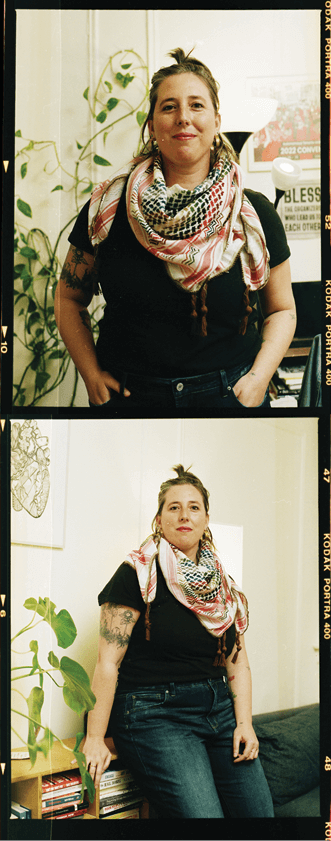
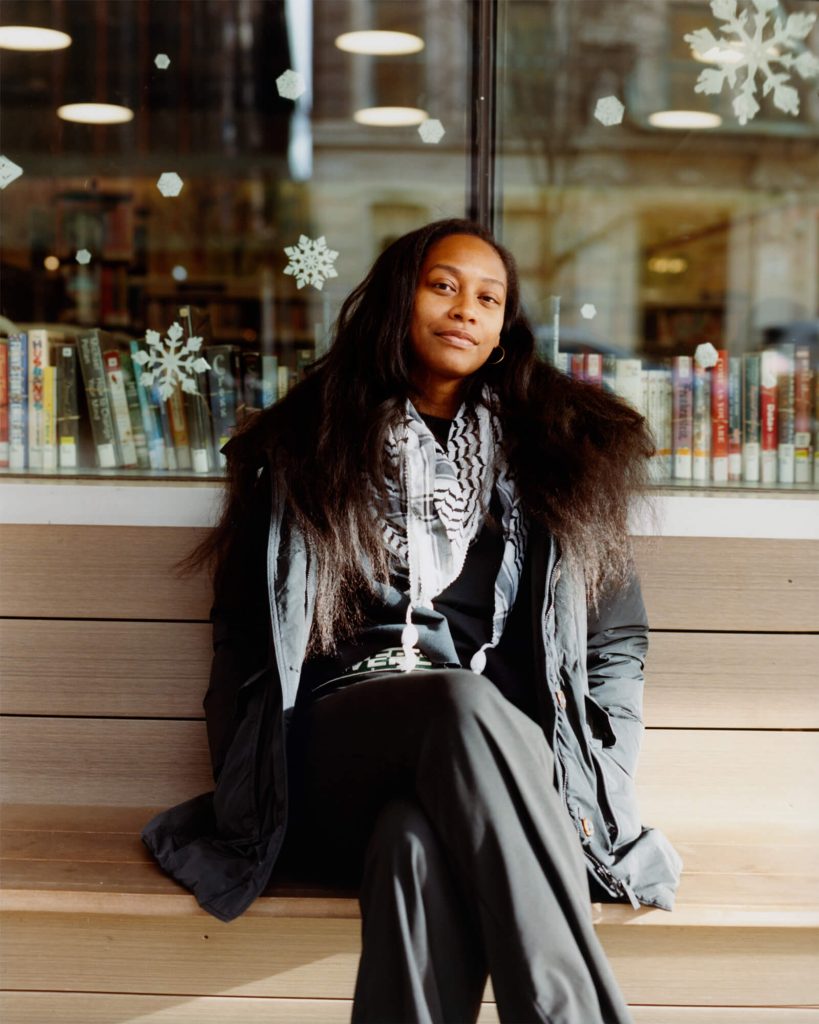
While many answer that their biggest attraction to movement spaces is through revitalizing their kinship ties to community networks, the oppositional stance to mainstream norms is expressed in several ways. Queer people explicitly connect their marginality with solidarity. Chase Strangio characterizes queer space as a defiance of exploitation because queer deviance is “liberated from expectations.” Another organizer, Tracy Rosenthal, puts it in terms of social reproduction. They told us they weren’t surprised to find that tenant unions across the country are led by “the abuelas and the LGBTs”; that is, by women — “the people historically tasked with domestic work” — and by queer people, “who are already building collective alternatives to the family as the basic unit of sustaining ourselves.” Others say their commitments represent “radical optimism,” as in the case of Sultana Hossain, an Amazon Labor Union organizer who just pulled off a five-day strike and who sees the union as an intimate social space of unbreakable bonds. Or some speak of outright contention, as a unionist nurse professes: “My rage is pure. I want the people who have power now to feel viscerally what it means to have power exercised against them. I want to fuck these people up.”
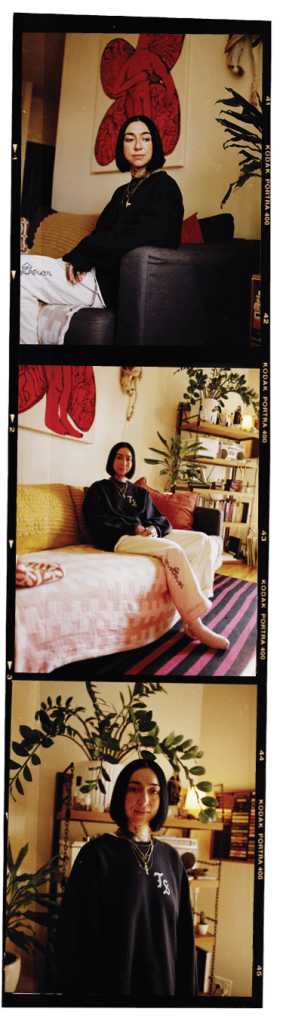
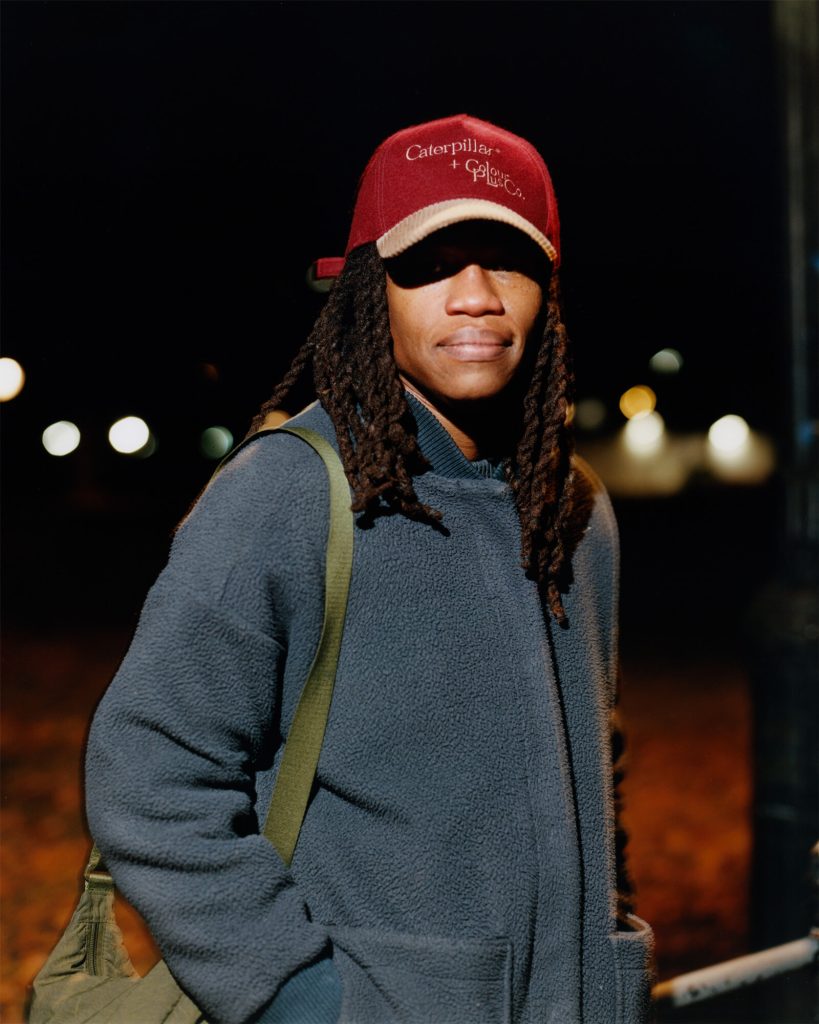
The diversity of formative experiences contradicts the stereotype of the contemporary left as a middle-class phenomenon. Ruth Milkman’s study of millennial activists distinguishes between insider and outsider status; those who are economically secure and culturally mainstream, and those without the traditional markers of American success. Many of our interviewees come from marginalized backgrounds, such as D Walker, who grew up in the Bronx and experienced racial violence in educational institutions, their immigrant mother socializing them to escape and deflect the racialized whims of the NYPD. Sultana is also a child of immigrants and grew up protesting around the city as part of a working-class family from Queens. On the other hand, some found their identities through movement. Jason and Shana, for example, who have Lebanese and Iranian heritage, talk about their upbringings in white suburbs and parents who were keen for them to assimilate into the white middle class. Engaging in the Palestine movement means a re-identification with their Arab and Persian roots, which gives them a new sense of self. Other activists were introduced much more theoretically and intellectually — on college campuses and in reading groups, where they defined their identities as ‘class and race traitors,’ to quote Zara Cadoux, a Crown Heights Tenant union organizer who also seeks systemic reform through her engagement with the Amazon Labor Union. Privilege sometimes informs the extent of their engagement in movements: One activist cites her relative stability as a tenure-track professor as the key to confidently taking risks.
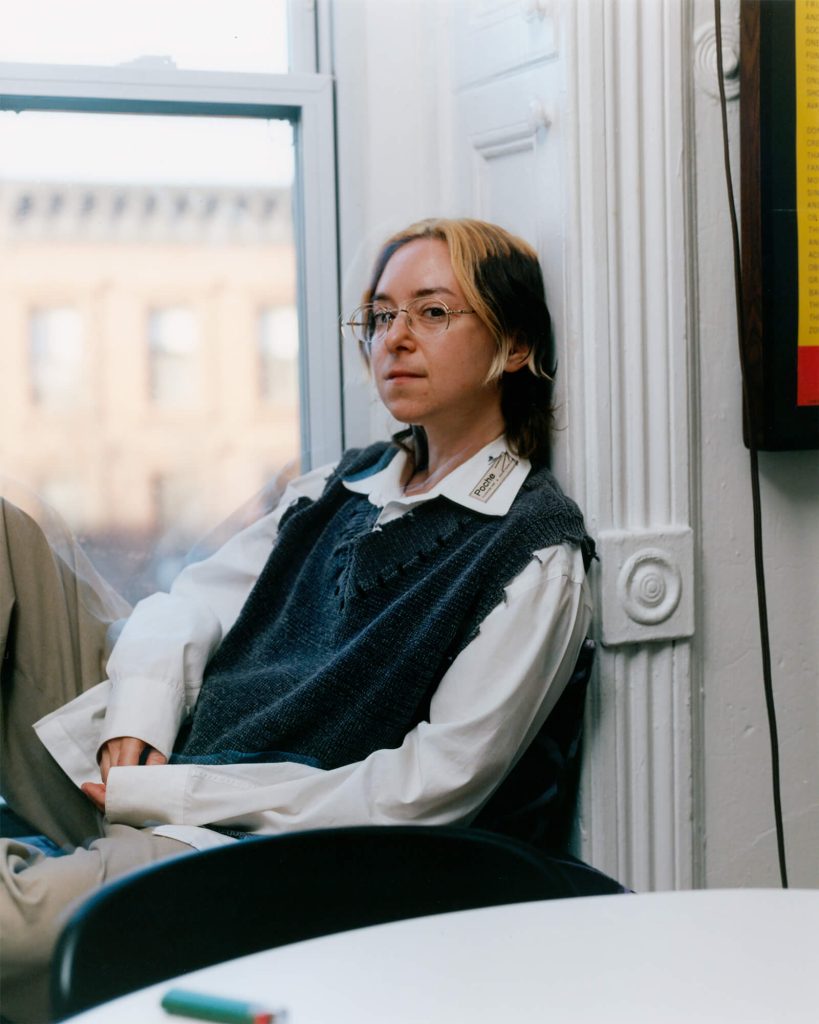
According to sociologist Charles Tilly, movements are “expressions of collective claims” made by ordinary people by demonstrating “worthiness, unity, numbers, and commitment” to an audience such as power brokers, elected officials, and mainstream institutions. But even Strangio, a high-profile transgender rights lawyer for the ACLU, claims that institutional legibility is not the sole point of movement work. Perhaps the audience is not relevant to “being able to walk in the world knowing I’m a fucking bitch,” as one activist puts it. Another organizer says it is about “living in a state of integrity as much as possible to myself.” Cheryl Rivera (also a Lux editor) characterizes this feeling in terms of her own mental stability: “Other people are out here feeling bad all the time because they can tell the world is bad,” she told us. “I recognize the world is bad, but I don’t feel bad because I know that I’m doing what I can.” Others, like the mutual aid organizer Tassja Walker, feel accountable to elders in their orbits. Their respect and recognition and the “feeling of honor and pride within the community” are of utmost importance to her, especially in a gentrifying New York.
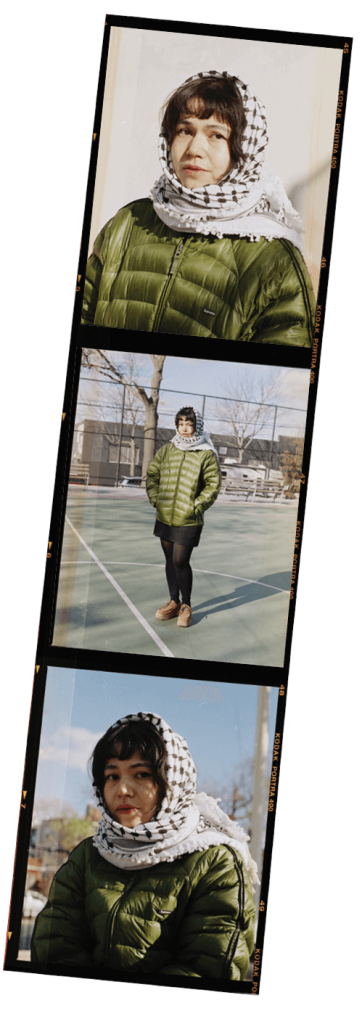
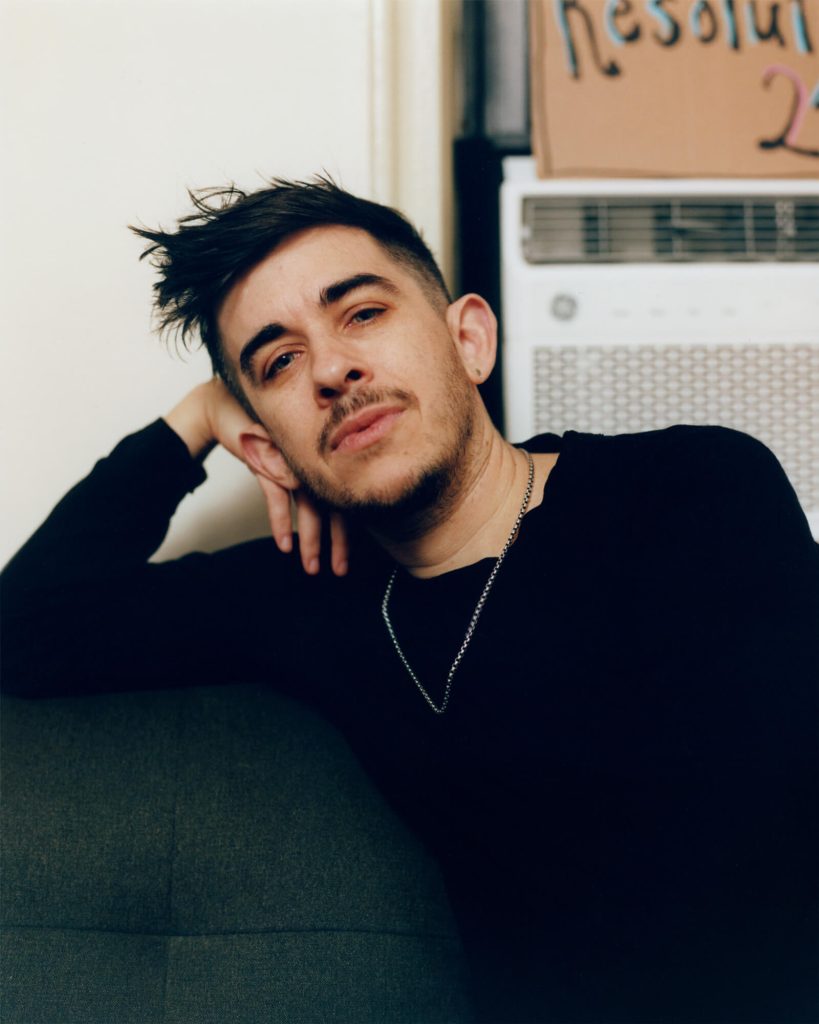
The derogative characterization of navel-gazing youngsters who have grown up in an overwhelm of technological semiotics and thwarted American dreams is not lost on many. When asked about the utility of spaces that Michelle Shofet organizes for grieving climate change, she agreed that it is a question that she and her collaborator ask themselves repeatedly: “Is it enough to create a space for people to feel?” Theorist Franco “Bifo” Berardi argues that work like this isn’t about building resources and achieving political goals but about a psycho-social phenomenon that has taken over a generation facing extinction, its balm being a type of collective therapy. Restorative introspection helps individuals move through crippling fear and grief. As Michelle explains, it can help one feel less alone and paralyzed to be in a room with one’s community, look at each other, and agree, “I felt that.”
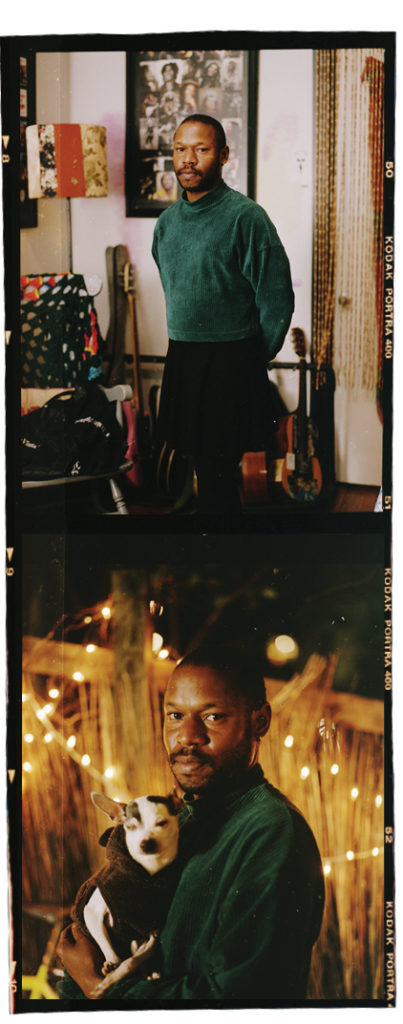

These activists (many of whom are our friends, siblings, lovers, and frenemies) engage in dissent — whether it be organizing anti-capitalist mutual aid exchanges, taking it up with Amazon, directing traffic with bicycles to ensure safe passage for protestors, or blockading bridges for Palestine — and we seek to examine how people defy the hyper-individualistic culture of neoliberalism through organizing. The mass movements in our lifetimes, including Occupy, Black Lives Matter, and anti-genocide protests, have been erupting in a city that is constantly negotiating the financialized terms of its growth. Writing from the largest metropolis of the U.S. empire, we seek to include these movement narratives for the archives, in reminder, memory, and aspiration.
Youbin Kang is a postdoctoral fellow at the School of Industrial and Labor Relations at Cornell University. Guarionex Rodriguez, Jr. is a Dominican-American artist based in Brooklyn, New York, and a regular contributor to Lux.
Here's why we publish
Feminist thought is increasingly banned from universities and marginalized in billionaire-owned media. We’re proud to publish it. While these institutions are firing feminists, we’re hiring them — as brave journalists, writers, and artists who challenge ideas about gender at every level.
If this matters to you, please support Lux today. Independent media depends on you.